
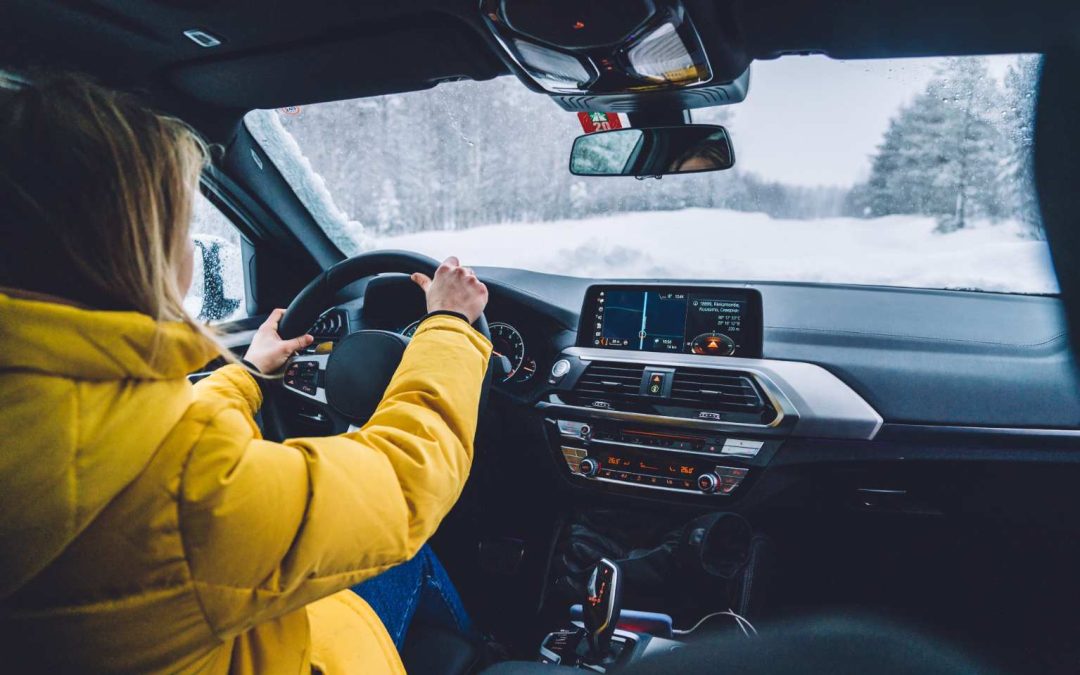
Car insurance is a year-round necessity. It’s especially necessary during the winter, when reduced visibility and slippery roadways start causing accidents. Granted, there are more vehicle accidents during the summer, but that hardly means winter weather is safer for driving.
Preparing your primary mode of conveyance for winter used to mean feeding it extra hay and giving it a blanket. Now that vehicles have replaced horses, it’s a matter of mechanical maintenance.
If you want to reduce your risk of an accident and minimize your risk of getting stranded next to an icy roadway, then here’s what you should do to prepare your vehicle for winter weather driving!
Test Battery
A dead car battery is an inconvenience at best, though it could potentially leave you unable to drive during an emergency – or leave you marooned somewhere cold and desolate.
You don’t want that, which is why it’s important to check your vehicle’s battery at the onset of each winter. It’s easy! Just purchase an inexpensive car battery tester, and use it to ensure that your battery currently has the recommended 12.4 to 12.9 volts.
Check Tire Treads
Your tires are where the rubber literally meets the road. It’s crucial to ensure they are ready for the worst conditions winter can throw your way. That means checking to see if their treads are at least 2/32″ deep.
Use the penny trick to see if you’re still good. Just insert Abraham Lincoln head first into the tread. If the top of his head remains visible, then the tread is no longer deep enough to provide adequate traction.
Are your tires’ sidewalls cracked or cut? Have you noticed any bulges or blisters? Do your tires often lose pressure while the vehicle is sitting idle? All of these are signs that your tires are in serious need of replacement.
Check Tire Pressure
Maintaining the correct pressure inside your tires will help them last longer. It will also make your vehicle’s handling more responsive, which can help you avoid an hazard on Iowa’s frequently unpredictable roadways.
Consult the driver’s side doorjamb for your vehicle’s ideal tire pressure. For most passenger vehicles, the recommended tire pressure for cold weather is 32 to 35 psi. Take care, as tires can lose up to 1 psi for each 10 °F drop in air temperature.
Buy Winter Tires
Want to enjoy even greater assurance that your tires are winter ready? Replace them with a specialized pair of winter tires!
Winter tires feature suppler and more aggressive treads, as well as special siping which helps them make more contact with the tarmac. Keep an eye out for the three-peak mountain snowflake (TPMS) symbol, which specifically indicates that tires are designed for snowy roads.
Are studded snow tires legal? That depends on when and where you’re driving. You can use them in Iowa and Nebraska November 1st through April 1st; South Dakota, October 1st through April 30th.
Use Tire Chains
To clarify, don’t use tire chains at all times, but do keep them in your vehicle so you’re better prepared to drive in heavy snowfall. Once you have learned how to put tire chains on, you’ll be able to give your vehicle additional traction while it’s traversing snowy and icy roadways.
Tire chains are legal in Iowa – but not at all times. According to Iowa §321.442, it’s permissible to use tire chains when snow, ice, or other conditions are present that could cause a vehicle to skid.
Maintain Headlights
It’s usually dark during the winter. Don’t let a blown-out headlight compromise your ability to see the road ahead (or give a police officer a reason to legally pull you over). Replace headlights (and taillights) as soon as they blow out. Squeegee off your lights whenever you stop for gas. If your headlights appear especially dim, consider brightening them up with the aid of a restoration kit.
Flush & Refill Antifreeze
As its name implies, antifreeze is especially important during winter. The ethylene glycol it contains lowers the freezing point of water, and therefore prevents the water inside the radiator from expanding and destroying the engine block. Anyone can flush and refill antifreeze (it’s also something auto mechanics regularly take care of).
Keep Tank Filled
Make a habit of topping off your tank more often during the winter. That can help the water inside your fuel pump and lines from freezing, which would prevent your car from starting. A larger supply fuel means you will also be able to idle longer – potentially lifesaving, if you’re ever stuck for hours on end.
Buy Auto Insurance
Car insurance won’t keep you safer while you’re driving this winter – but it will give you peace of mind that an accident won’t ruin you financially.
If you’re looking for the best auto insurance for your unique needs, don’t hesitate to contact The Hoffman Agency today! Our experienced agents are standing by to ensure you receive the best protection for whatever amount you are willing to spend on insurance.