
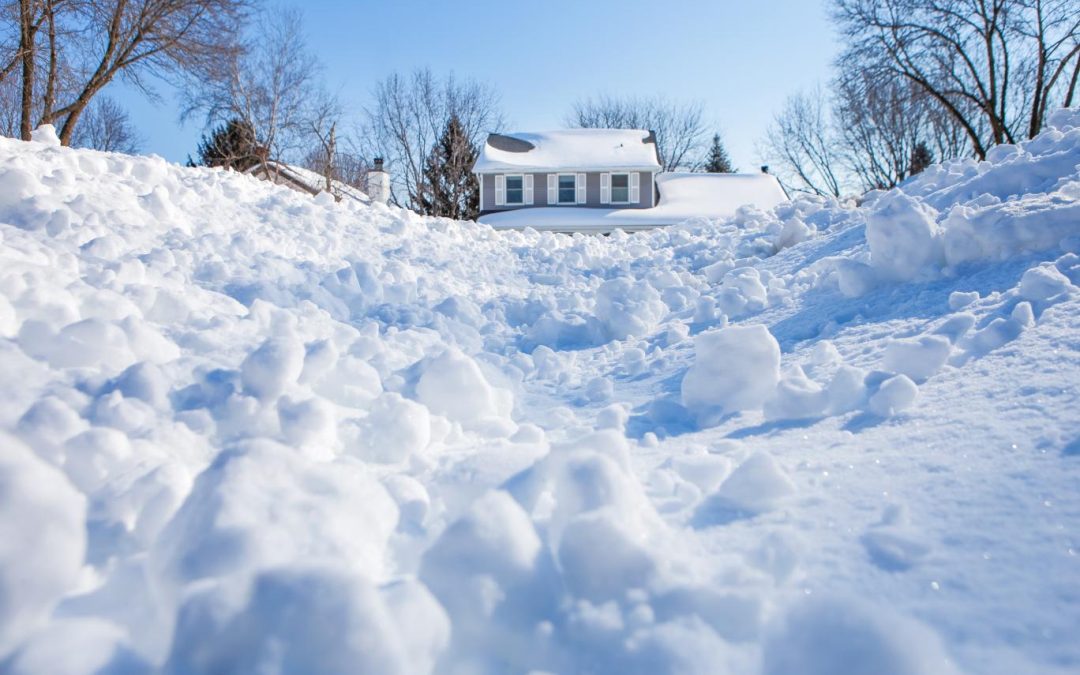
Something amazing happens to Florida and the American Southwest each winter. They fill up with a special kind of people: Midwesterners, who are escaping the brutal reality of Midwestern weather.
Part of being a Midwestern snowbird is protecting your Midwestern nest while you’re away from it. That includes a lot more than filling up your cat’s food bowl extra high before you go. It means securing your home properly – both physically, and through insurance. Here’s how to get your home ready for your prolonged absence from it this winter!
Protect Against Crime
Deter crooks by concealing the fact that you’re away from home, decreasing their access to your home, and removing incentives to break into your home.
- Don’t hold your mail, as the Post Office only offers that service for up to 30 days. Have it forwarded instead.
- Arrange snow removal during your absence.
- Discourage burglars by installing motion-sensitive exterior lights. Set interior lights to stay on all night. (You can use a cheap timer if you don’t have smart home technology.)
- Don’t share about your vacation on social media. Burglars frequently target people they know!
- Activate your alarm system.
- Secure your exterior doors with deadbolt locks. Install slide locks on all sliding exterior doors.
- Store valuables off-site, e.g. a safe deposit box.
- Inform the police that your home will be vacant, and provide them with numbers to notify in the event of an emergency.
Protect Against Water Damage
Homeowners insurance typically covers water damage resulting from burst pipes. There are important exceptions, however, such as when the damage is caused by a slow leak, known problem, or frozen pipes. Even so, you’d rather not return home to a flooded basement, which is why you should prepare your plumbing for your extended winter absence.
Your pipes can’t freeze and burst if they’re empty, which is why you should turn off your main water supply. (Obviously, this step isn’t practical if your home is heated by a boiler. Also note that shutting off water will render fire sprinklers useless.) Make sure to drain your pipes afterward. Add plumbing antifreeze to your system for added assurance.
Not draining your plumbing? Then you’ll want to do the next best thing: ensuring that your furnace will continually warm your plumbing system. Set the thermostat to no less than 55 °F. Open all closet and cabinet doors so heat can access plumbing more easily. Turn off the water to your dishwasher, washing machine and water heater (if you do deactivate your water heater, turn its heat off as well).
Create even greater peace of mind by:
- Winterizing outdoor faucets
- Installing a water flow sensor
- Adding insulation and heat tape to plumbing in the attic, basement, and crawl space (use appropriate heat tape; plastic piping requires thermostatically controlled heat tape)
Perform Winter Maintenance
Burglars and water damage aren’t the only threats to a snowbird’s vacant home. Do the following to make sure your hacienda is winter-ready before you depart for greener pastures!
Maintain your heating system. Any HVAC technician will recommend getting a furnace tune-up each fall. In addition to making your furnace more reliable, a tune-up will extend its lifespan and increase its energy efficiency. Consider asking a neighbor, friend or family member to periodically check in on your furnace while you’re away. Also, it never hurts to pop a new air filter into your furnace before you go.
Does your home have a chimney? You won’t be using it while you’re gone. Even so, maintaining it can significantly reduce your risk of a chimney fire.
Installing new insulation can create year-round energy savings. Before you go, consider adding caulk to windows and weather stripping around doors. Either can make your furnace’s job easier. Consider adding insulation to your attic as well. Doing so can protect your home against ice dams.
Take note of the trees surrounding your home. Could strong wind knock any limbs or branches off and send them crashing into your roof or siding? Play it safe and cut them down while you still can. Also, make sure to remove any dead, decaying and otherwise dangerous trees from your property.
Protect your home even further by:
- Cleaning and maintaining gutters
- Unplugging unnecessary appliances
- Replacing batteries in smoke detectors and fire alarms
Keep Your Insurance Up to Date
Naturally, you’ll want your Midwest residence to remain fully covered by its homeowners policy while you’re away. It will continue to cover damage to your home and belongings, as well as protect you in the event that someone is injured on your property.
If you own your second home, make sure it is covered as well. Note that vacation home insurance premiums are comparably higher than homeowners insurance. This is because vacation homes are typically subject to higher risk, largely due to the fact that they remain unoccupied for most of the year. Your insurance provider may offer a lower premium if you make certain safety-enhancing home improvements, such as installing an alarm system, water leak detector, and security doors.
Finally, consider purchasing umbrella insurance. It takes effect when a personal injury or property damage claim exceeds the limits of other insurance coverages. A supplemental insurance policy can give a snowbird greater peace of mind that a personal liability situation won’t leave them financially destitute.
Want to make totally certain your insurance is conducive to your snowbird lifestyle? Then we welcome you to contact The Hoffman Agency today! Our skilled agents are standing by to ensure you are fully protected while you’re hiding from Iowa’s snow.